

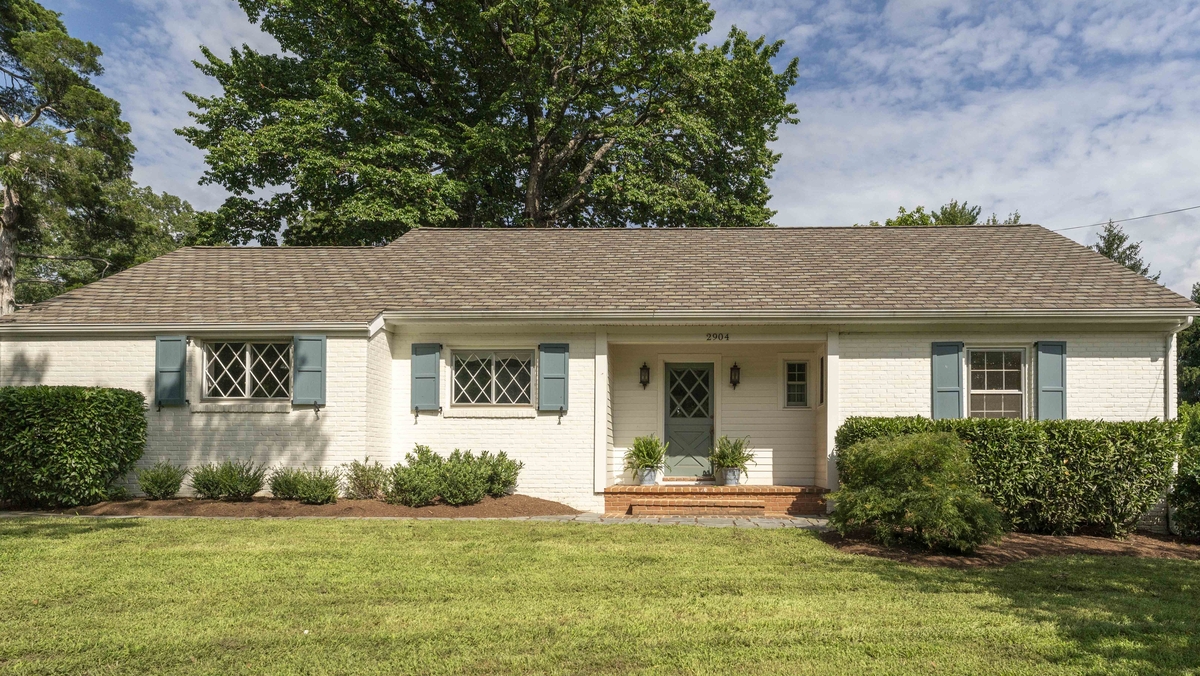
You find a home in Charlottesville that checks all the boxes. The location is right, the layout works, and you’re ready to make an offer. There’s just one issue: you still need to sell your current home.
It’s a common situation for homeowners looking to move, whether they’re upsizing, downsizing, or relocating within Central Virginia. And it raises an important question: Can you buy a house before selling the one you already own?
The answer is yes, but how you structure the purchase matters.
A home sale contingency can make that transition possible without requiring you to sell first. However, it also introduces uncertainty for the seller. Understanding how that risk is evaluated, negotiated, and managed is essential to making an offer that has a realistic chance of being accepted.
What Is a Home Sale Contingency?
A home sale contingency is a provision in a real estate purchase contract that makes buying a new home dependent on selling your existing property.
For example, suppose you own a home in Albemarle County and want to purchase another property closer to downtown Charlottesville. You need the proceeds from your current home to fund the down payment on the next one.
Rather than waiting for your home to sell to begin the purchase process, you submit an offer with a home sale contingency.
If your current home doesn’t sell within the agreed timeline, the contingency may allow you to terminate the purchase contract, subject to its specific terms.
For buyers, this offers an important layer of protection. For sellers, it introduces another transaction that must succeed before their own sale can close.
That’s why I encourage clients to consider the full financial picture before making an offer. Understanding the broader home buying process is important, but buying while simultaneously selling adds another set of decisions.
Why Sellers Don’t Automatically Reject Contingent Offers
A contingent offer isn’t necessarily a bad offer.
When evaluating an offer on a Charlottesville property, I look beyond the purchase price. Financing, deposits, contract deadlines, and the buyer’s ability to close all contribute to the strength of an offer.
A home sale contingency is one more risk to evaluate.
Consider two hypothetical offers:
- Buyer A offers $500,000 without a home sale contingency.
- Buyer B offers $510,000, but must sell an existing property before closing.
At first glance, Buyer B’s offer appears stronger. But that additional $10,000 comes with uncertainty.
What happens if their house doesn’t sell? What if their buyer’s financing falls through? How long would the seller be committed to the transaction before discovering there’s a problem?
A seller might accept that risk if the price and terms justify it. Alternatively, they might prefer the lower offer because it provides a more predictable path to closing.
The important distinction is that a home sale contingency isn’t simply something a seller accepts or rejects. It’s a risk that can be priced, negotiated, and structured.
The goal is to understand how much uncertainty the offer introduces and whether the terms adequately compensate the seller for taking it on.
What Makes a Home Sale Contingent Offer More Attractive?
If you’re trying to buy before selling your current home, the strength of your offer depends heavily on how prepared you are.
I would focus on four factors.
1. Your Current Home Is Already Listed or Under Contract
An offer from someone whose home is already under contract is generally more reassuring than one from someone who hasn’t started preparing to sell.
There’s a meaningful difference between saying, “I’m planning to sell my house,” and demonstrating that a qualified buyer has already committed to purchasing it.
Even if your property hasn’t received an offer yet, having it professionally marketed and actively listed gives the seller something concrete to evaluate.
2. Your Home Is Priced Realistically
A listed home isn’t necessarily one that will sell within the required timeframe.
If your asking price is significantly above what comparable properties support, the seller may reasonably question whether your sale will happen in time.
This is where a thoughtful pricing strategy becomes especially important.
When I prepare a property for sale, I consider comparable transactions, active competition, buyer demand, and the price point most likely to generate serious interest. I’ve written more about that process in Things I Check Before Recommending a List Price.
If you’re buying and selling at the same time, realistic pricing isn’t just about maximizing your proceeds. It can determine whether you can complete your next purchase.
3. You’re Offering a Reasonable Earnest Money Deposit
An earnest money deposit demonstrates a buyer’s commitment to the transaction.
A meaningful deposit can help reassure the seller that you’re serious about following through, although it doesn’t eliminate the uncertainty associated with your existing property.
The deposit amount, conditions for its return, and circumstances under which it could be forfeited all depend on the contract.
4. Your Timeline Is Clear and Achievable
Sellers need to know when they can reasonably expect to close.
A strong contingent offer should establish specific deadlines for getting your home under contract, satisfying the contingency, and completing the purchase.
The shorter the period of uncertainty, the more attractive the offer may become.
However, I would never recommend promising an aggressive timeline simply to make an offer look stronger. Those dates need to reflect what can realistically happen in both transactions.
How Does a 72-Hour Kick-Out Clause Work?
One way sellers can protect themselves when accepting a contingent offer is through a kick-out clause.
This provision lets the seller keep marketing the property while the original buyer works to satisfy their home sale contingency.
Here’s how it might work.
You make an offer on a Charlottesville home, contingent on selling your current property. The seller accepts, but the contract includes a kick-out clause.
A week later, another buyer submits an offer the seller wants to accept.
Under the agreed kick-out terms, the seller notifies you of the competing offer. You then have a limited period, often 72 hours, to decide what to do.
You generally have two options:
- Remove the home sale contingency. You proceed with the purchase without making it dependent on selling your existing home.
- Step aside. If you cannot or do not want to remove the contingency, the original contract may terminate under its terms, allowing the seller to move forward with the other offer.
The exact notice period and requirements depend on the negotiated agreement. Seventy-two hours is an example, not a universal rule.
A kick-out clause creates a compromise. The buyer gets an opportunity to secure the home while working toward a sale, and the seller retains a way to consider another offer rather than remaining indefinitely committed to a transaction that may not close.
Before You Remove a Home Sale Contingency, Talk to Your Lender
This is one of the most important points I want buyers to understand.
Removing a home sale contingency means you’re agreeing to proceed with the purchase even if your current home doesn’t sell.
That can create a serious financial obligation.
Suppose you planned to use $100,000 in proceeds from your existing property as the down payment on your next home.
If you remove the contingency and your sale falls through, where will that money come from?
Can you qualify for the new mortgage while continuing to carry your existing mortgage? Do you have enough available cash to cover the down payment and closing costs?
Those aren’t questions to figure out after receiving a 72-hour notice.
Before making a contingent offer, I encourage buyers to speak with their lender about options if they need to close before selling.
Depending on their circumstances, those options might include temporary financing, available cash reserves, or qualifying while carrying both properties.
Not every buyer will qualify for these arrangements.
Removing the contingency also doesn’t automatically resolve other financing requirements or eliminate every other contract condition. Your lender needs to confirm what you can actually afford and whether your financing can support the proposed structure.
The Hidden Risk: Your Buyer’s Financing Becomes Your Risk, Too
Another complication homeowners sometimes overlook when buying and selling simultaneously.
Your transaction may depend on a buyer whose own financing isn’t guaranteed.
Imagine this sequence:
- You’re purchasing a new home in Charlottesville, contingent on selling your current property.
- Your existing home goes under contract with another buyer.
- That buyer’s lender encounters a financing problem or the appraisal comes in too low.
- Your buyer cannot close on schedule.
- Without those proceeds, you may be unable to complete your own purchase.
What initially looked like two straightforward real estate transactions has become a chain in which a problem with one sale affects the other.
Even having your current home under contract doesn’t eliminate that risk.
I want to understand the strength of the offer on your existing property, including the buyer’s financing, appraisal, and inspection contingencies, as well as the anticipated closing date.
If that buyer is also selling a home, the chain may extend even further.
The more transactions involved, the more important it becomes to understand where delays or failures could occur.
This is why I pay close attention to financing strength and contract structure when evaluating offers, whether I’m representing the buyer or seller.
Should You Buy Before Selling Your Home in Charlottesville?
No single strategy works for every homeowner.
Buying before you sell can offer advantages. You may have more time to find the right property, avoid moving twice, and coordinate a more convenient transition between homes.
But those advantages need to be weighed against the financial exposure and contractual obligations involved.
Before deciding, I would want answers to a few questions:
- How much equity do you expect to receive from your current home?
- How quickly is your property likely to sell at a realistic asking price?
- Can you qualify to purchase another home before your sale closes?
- How competitive is the market for the property you want to buy?
- What happens financially if either closing is delayed?
The answers can vary across Charlottesville and Albemarle County. A well-priced home in an active neighborhood may present a different timeline and level of uncertainty than a unique rural property with a smaller buyer pool.
In some cases, selling first is the more practical approach. In others, a carefully structured contingent offer can make buying before selling entirely reasonable.
The right strategy comes from evaluating both sides of the transaction together, not treating them as separate decisions.
Speak With a Local Realtor at Matthias John Real Estate Today
Buying and selling a home at the same time requires more than coordinating two closing dates. It means understanding how financing, pricing, contract deadlines, and contingencies affect each other. I help clients navigate those decisions throughout Charlottesville, Albemarle County, and Central Virginia.
Whether you’re preparing to list your current property or have already found a home you’d like to purchase, I can help you evaluate your options, develop a realistic timeline, and negotiate terms that protect your interests. Learn more about my approach to selling your home, or contact me to discuss your plans. You can also call me directly at 434-906-4630. I’d be happy to help you determine the most practical way to move forward.

Matthias John is a licensed REALTOR® serving Central Virginia since 2014. With dual Master’s degrees in Public Policy & Governance and Political Science & Linguistics, he brings analytical expertise to every real estate transaction.
Originally from Germany and multilingual, Matthias combines international perspective with deep local knowledge of the Charlottesville market. His background in public policy and sales enables him to navigate complex negotiations and regulatory requirements with precision.
Matthias specializes in helping both first-time homebuyers and property investors find opportunities that match their specific needs. His data-driven approach and commitment to transparent communication have earned him recognition among clients for his integrity and thoroughness.
As a longtime resident of Central Virginia, Matthias leverages his community connections and market insights to create customized marketing strategies for sellers and targeted property searches for buyers.
Member: National Association of REALTORS®, Virginia Association of REALTORS®