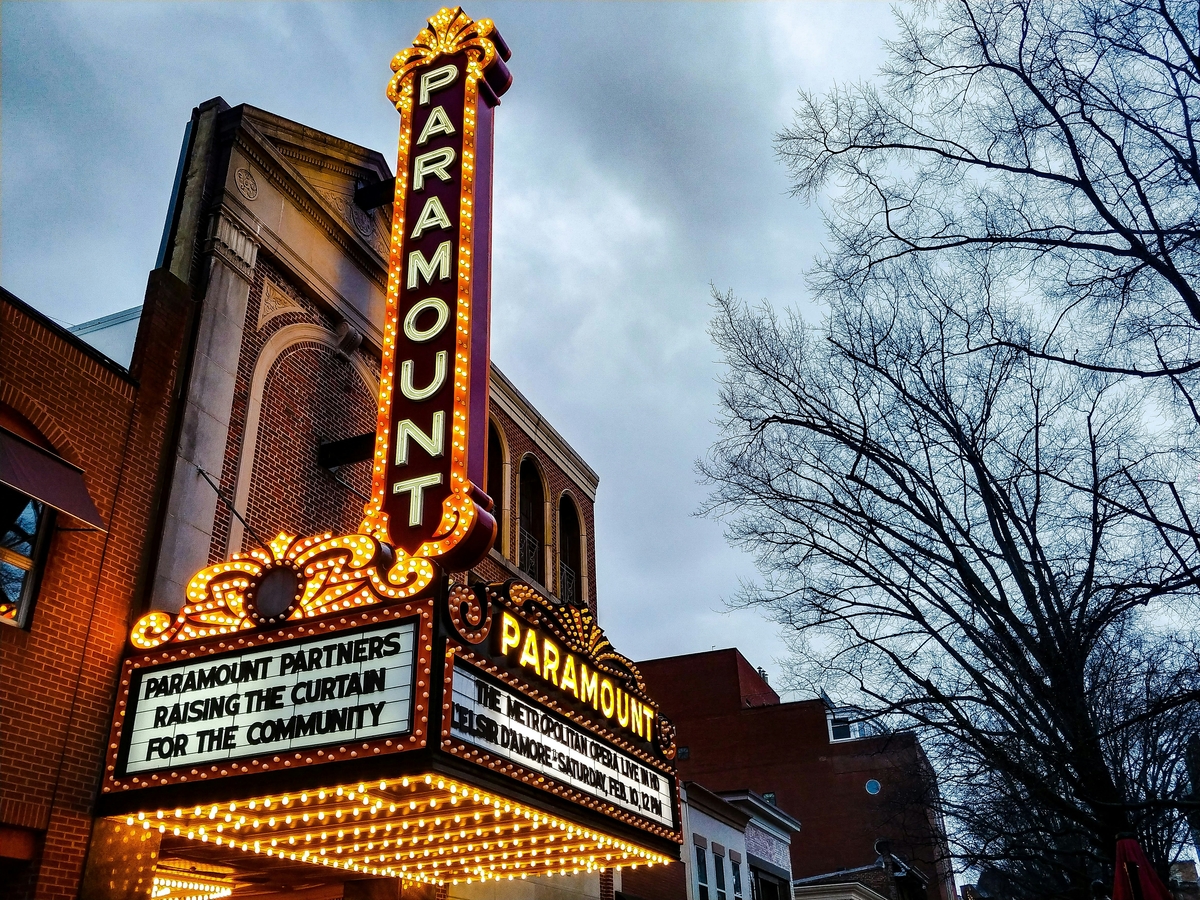
Eight blocks of brick pavement between the Ting Pavilion and the Omni Hotel carry more of daily Charlottesville life than any other stretch in the city: the Paramount Theater marquee lighting up Main Street at dusk, the Friday farmers market crowd spilling past the Free Speech Wall, neighbors who walk to dinner instead of driving. If you are searching for Downtown Charlottesville homes for sale, you already sense this isn’t a commuter neighborhood. It’s the center everything else in the city gets measured against.I’m Matthias John, and I’ve worked the Charlottesville real estate market from my office a few blocks away on Faulconer Drive since 2014. Downtown moves fast: renovated brick rowhouses on the side streets north of the Mall, mid-rise condos with Blue Ridge views, and the occasional live/work loft above a storefront, all inside zip code 22902. Inventory here rarely sits long, and buyers who wait a week to decide often watch a listing go under contract before they can tour it.Ready to explore Downtown Charlottesville homes for sale? Call (434) 906-4630 or send Matthias a message for a personalized tour.
Downtown Charlottesville Neighborhood Overview
Downtown Charlottesville, zip code 22902, is the compact, walkable core built around the Downtown Mall, an eight-block pedestrian street that has run from 6th Street NE to the Water Street extension since the mid-1970s. The Mall itself is now listed on the National Register of Historic Places as a historic district, and the housing that surrounds it reflects that same layered history: 19th-century commercial buildings converted into upstairs residences, early-20th-century rowhouses just off Market and High Streets, and newer infill condo buildings tucked between them.Buyers who choose Downtown Charlottesville homes for sale are, almost without exception, buying a lifestyle first and square footage second. Empty nesters selling larger Albemarle properties, UVA faculty who want to walk to campus, and out-of-state buyers relocating for a slower, denser way of living all show up here for the same reason: everything is close. The Downtown Mall’s shops, restaurants, and the Paramount and Jefferson Theaters are all within a five-minute walk of most listings in the neighborhood, and the University of Virginia Rotunda is about a 25-minute walk or a 5-minute drive west along Main Street.What defines the neighborhood physically is its grid. Water Street runs parallel to the Mall on the south side and has become its own corridor of restaurants and lofts. Just off Market Street and 2nd Street NW, you’ll find McGuffey Park and the McGuffey Art Center, a favorite for families in the smaller rowhouses nearby. North of the Mall toward High Street and Park Street, the housing stock shifts toward larger, older single-family homes with more traditional yards, an area sometimes marketed separately as North Downtown but functionally part of the same walkable core.Buyers choose Downtown Charlottesville over Belmont or Woolen Mills, its closest walkable alternatives, mainly for proximity: nothing else in the city puts the Mall, the courthouse, the library, and the majority of the city’s live music venues within a flat, ten-minute walk. The tradeoff is price per square foot and parking, both of which run higher here than almost anywhere else in Albemarle County or the city.
Downtown Charlottesville Property Types & Pricing
The Downtown Charlottesville housing stock is genuinely mixed, which is part of what makes it different from a single-style suburban neighborhood. Prices below reflect city and downtown-specific listing activity as of August 2026 and should be verified against current MLS data before publishing, since inventory here turns over quickly.
Historic Rowhouses & Single-Family Homes in Downtown Charlottesville
The rowhouses and freestanding homes on the blocks north and east of the Mall, many built between the late 1800s and 1930s, typically run from $600,000 to just over $1 million depending on lot size and renovation level. Expect exposed brick, original heart pine or hardwood floors, and small, deep lots. Square footage on these properties commonly falls between 1,400 and 2,600 square feet. Buyers should budget for updates to knob-and-tube wiring, older plumbing, and foundation work, since even fully renovated homes in this price band often retain original structural elements.
Condos & Lofts in Downtown Charlottesville
Condos and loft-style units, many converted from historic commercial buildings along Main Street and Water Street, start in the low $300,000s for a one-bedroom unit and can exceed $700,000 for larger two- and three-bedroom units with parking and Blue Ridge views.
Mixed-Use & Live/Work Properties
A small but steady share of inventory downtown is mixed-use: retail or office space on the ground floor with a residential unit above. These properties appeal to buyers who want to run a business from home or generate rental income, and pricing varies widely depending on the commercial component, so these are best evaluated case by case rather than against a standard price range.
Things to Do Near Downtown Charlottesville
Dining & Coffee
Zocalo, at 201 E. Main Street right on the Mall, is a longtime favorite for its modern Latin menu and lively patio. Hamiltons’ at First & Main serves elevated American fare in a historic corner building, and Orzo Kitchen and Wine Bar, just two blocks off the Mall, brings a Mediterranean-leaning menu with an open kitchen. Citizen Burger Bar is the go-to for a casual gourmet burger and local draft beer, and Bebedero pours some of the most inventive cocktails in the city. For coffee, Grit Coffee’s Downtown Mall location is a daily stop for a large share of the neighborhood.
Parks & Recreation
McGuffey Park, a 1.1-acre neighborhood park at 2nd Street NW and Jefferson Street, sits right next to the McGuffey Art Center and is a short walk from most downtown addresses, with a playground and open lawn that hosts informal gatherings year-round. The Rivanna Trail, which loops the perimeter of the city, has an access point within a short drive along the Rivanna River, giving downtown residents a car-optional way to reach miles of wooded trail. IX Art Park, a few minutes south by car, adds another green, art-filled outdoor space with a rotating public art installation and its own weekend farmers market.
Shopping & Services
Market Street Market, tucked just off the Mall, is the closest full grocery option for residents who want to walk rather than drive for daily essentials, and a CVS pharmacy sits directly on the Mall for quick errands. On Saturdays from April through December, the Charlottesville City Market brings dozens of local farm and artisan vendors to a downtown lot, and it has become as much a social ritual for residents as a grocery run.
Downtown Charlottesville Schools
Many Downtown Charlottesville addresses fall within the Trailblazer Elementary attendance zone (formerly Venable Elementary), which feeds into Charlottesville Middle School and then Charlottesville High School. Charlottesville City Schools is implementing attendance-zone changes beginning in 2027, so families should confirm the current school assignment for a specific address directly with the school division.
The Downtown Charlottesville Real Estate Market
Downtown Charlottesville sits inside a citywide market that leans toward sellers, with roughly 2.7 months of supply as of spring 2026 and homes across Charlottesville selling close to full asking price. Citywide median sale prices have ranged between about $495,000 and $522,000 over recent reporting periods depending on the data source and month, and days on market for the city overall run around 16 days, though well-priced downtown condos and rowhouses typically move faster than that citywide average given how limited turnover is in this specific footprint. Inventory downtown stays consistently tight because so little new construction is possible within the historic district, which continues to support price stability even when the broader regional market cools. Looking ahead, continued UVA-driven demand and downtown’s National Register historic district designation are likely to keep buyer interest concentrated here relative to less walkable parts of the city.For a closer look at citywide pricing trends, see the current Charlottesville market listing report and my latest Charlottesville housing market update.
Why Work With Matthias John
I’ve been working the Charlottesville market since 2014, and Downtown is one of the areas I get pulled into most often, whether that’s helping a UVA faculty member find a walkable condo or guiding a longtime Albemarle homeowner through the tradeoffs of trading a large lot for a Main Street loft. My office at 503 Faulconer Dr in Charlottesville puts me close to the neighborhoods I serve across Central Virginia, downtown included.When you reach out, I typically respond within a few hours, and I’ll walk you through inventory, realistic pricing given how fast this market moves, and what to expect from inspections on older downtown buildings specifically. I’m fluent in English, German, Spanish, and Portuguese, which comes up often with the international and relocating buyers who are drawn to downtown’s walkability.Call me directly at (434) 906-4630 or fill out my contact form. You can also learn more about Matthias or read what clients say.
Buying a Home in Downtown Charlottesville: What You Need to Know
Competition for well-priced downtown listings is real. Condos and rowhouses under $600,000 in good condition often draw multiple offers within the first week, and waived inspection contingencies are not unusual on the most desirable Main Street and Water Street units. If you’re touring downtown, be ready to move quickly once you find the right fit.Inspections here carry their own checklist. On the historic rowhouses and single-family homes, ask specifically about knob-and-tube wiring, foundation movement, and drainage, since many of these buildings sit on smaller, older lots without modern grading. New construction and recently converted units carry fewer of these concerns but are far less common downtown than in the suburban county.Late fall through early winter tends to bring the least competition downtown, since much of the buyer pool is UVA-adjacent and slows down around the academic calendar. If timing flexibility is on your side, that window is worth watching.Before you start touring, read my step-by-step guide to buying a home in Charlottesville, so you know what to expect at each stage. My breakdown of hidden costs when buying a home in Charlottesville is also worth a read before you set a budget, and you can get your financing lined up early through my financing overview. When you’re ready to look, browse active listings or use my home search tool.
Selling Your Downtown Charlottesville Home
Downtown buyers respond strongly to preserved original details, brick facades, hardwood floors, exposed structural elements, paired with updated systems they won’t have to renovate themselves. Pricing a downtown listing correctly means weighing its historic character against its condo or building-specific carrying costs, which is different math than a typical suburban comparable.Curious what your Downtown Charlottesville home is worth today? Request a free market analysis from Matthias.
Life in Downtown Charlottesville: A Day in the Neighborhood
Mornings downtown tend to start the same way for a lot of residents: a walk to Grit Coffee on the Mall, maybe a stop at Market Street Market for something for the day. Midweek, errands mean a short walk rather than a drive: CVS for the basics, the library on 2nd Street for anyone working from home who wants a change of scenery. On Saturdays from spring through fall, the Charlottesville City Market draws residents out early for produce, coffee, and conversation with neighbors they’d otherwise only wave at from a porch.Evenings shift toward the Mall itself: dinner at Orzo or Citizen Burger Bar, a show at the Paramount or the Jefferson Theater, or just a slow walk past the Free Speech Wall and the fountain before heading home. It’s a rhythm built around not needing a car for most of it, which is the single biggest reason people choose to live here in the first place.If you’re also exploring homes nearby, take a look at my guide to Belmont real estate, a short walk southeast with a quieter, more residential feel, or Woolen Mills, which sits along the Rivanna River and has grown steadily in popularity with buyers who want a bit more space while staying close to downtown.
Frequently Asked Questions About Downtown Charlottesville Real Estate
What is the average home price in Downtown Charlottesville?
Pricing varies significantly by property type. Condos and lofts generally start in the low $300,000s and can exceed $700,000 for larger units with parking, while historic rowhouses and single-family homes typically range from $600,000 to just over $1 million. Confirm current figures against MLS data, since downtown inventory turns over quickly.
Is Downtown Charlottesville a good place to buy a home?
For buyers who prioritize walkability, culture, and long-term value over square footage, yes. Downtown Charlottesville consistently shows strong demand and limited inventory, particularly since its historic district status limits new construction, which supports steady appreciation even when the broader regional market softens.
What schools serve Downtown Charlottesville?
Many Downtown Charlottesville addresses are currently zoned for Trailblazer Elementary, formerly Venable Elementary, followed by Charlottesville Middle School and Charlottesville High School. Because Charlottesville City Schools is beginning attendance-zone changes in 2027, buyers should confirm the current school assignment for any specific address directly with the school division.
How far is Downtown Charlottesville from the University of Virginia?
Downtown Charlottesville is about a five-minute drive or a flat 25-minute walk from the UVA Rotunda along West Main Street. Many residents make the trip on foot or by the free trolley that connects the Downtown Mall to the university.
Is Downtown Charlottesville walkable?
Yes, it’s one of the most walkable neighborhoods in the region. Most homes sit within a five- to ten-minute walk of the Downtown Mall’s restaurants, shops, theaters, and the Saturday farmers market, and many daily errands, including groceries at Market Street Market, don’t require a car.
What types of homes are available in Downtown Charlottesville?
The market includes historic brick rowhouses and single-family homes from the late 1800s through the 1930s, condo and loft conversions in former commercial buildings along Main and Water Streets, and a smaller number of mixed-use live/work properties with retail or office space on the ground floor.Ready to Find Your Downtown Charlottesville Home? Whether you’re buying your first home or your fifth, I’d love to help you navigate the Downtown Charlottesville market. Call me at (434) 906-4630, send me a message online, or stop by my office at 503 Faulconer Dr Suite 6, Charlottesville, VA 22903. I’ll respond within a few hours.